
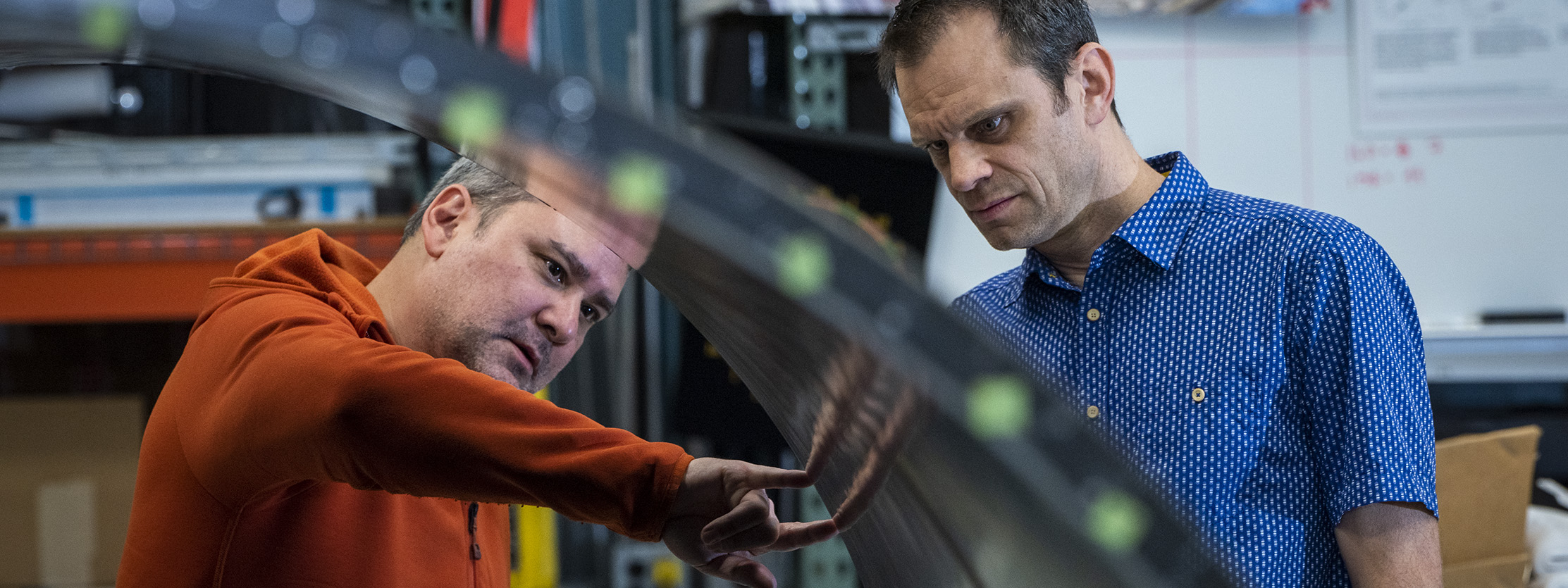
The Engineering Division is a collection of professionals who apply their knowledge and skill in service of the Lab’s mission of Team Science. The Division is particularly focused on core technical areas that include accelerator engineering, detector systems, fabrication and manufacturing, composites, precision metrology, and survey and alignment.
Our staff delivers complete solutions for the full project cycle, from conception through design, construction, installation, and commissioning, and transitioning into operations and maintenance. Engineers and technologists are embedded within scientific divisions, serving as key members of the science project teams.
Accelerator Engineering
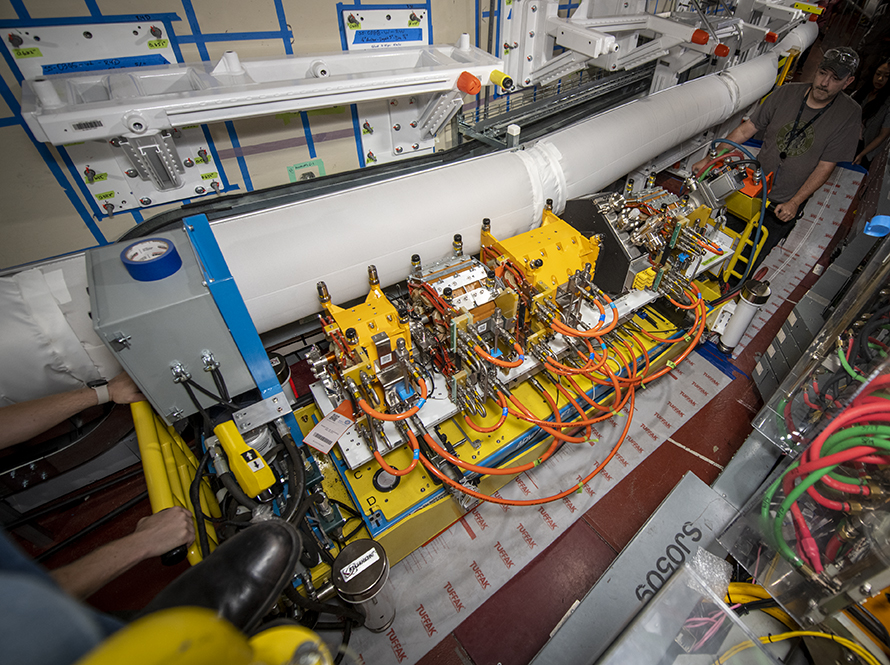
Accelerator Engineering brings together interdisciplinary teams of engineers to design, develop, and operate innovative particle accelerators and accelerator-based experimental set-ups spanning mechanical, electrical, controls and electronics, and manufacturing engineering areas.
Detector Systems
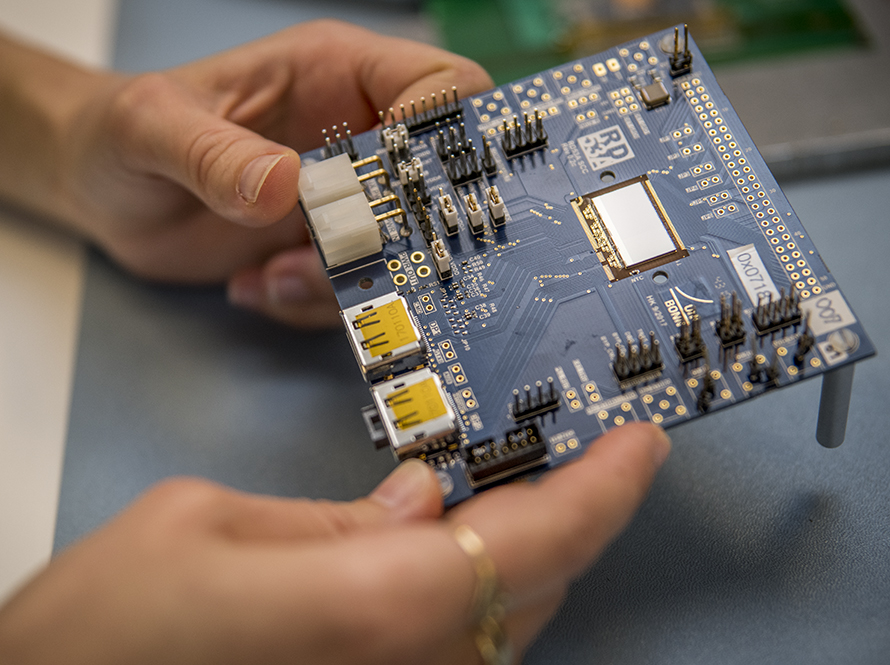
The Engineering Division designs, builds, and maintains detector systems, which are key components to many of the science programs at Berkeley Lab. Engineering develops large-scale systems for detectors at high-energy physics colliders, and precision devices at light-source beamlines, and is also a world leader in developing advanced low-mass composite structures for large-scale detectors.
Engineering Design Tools
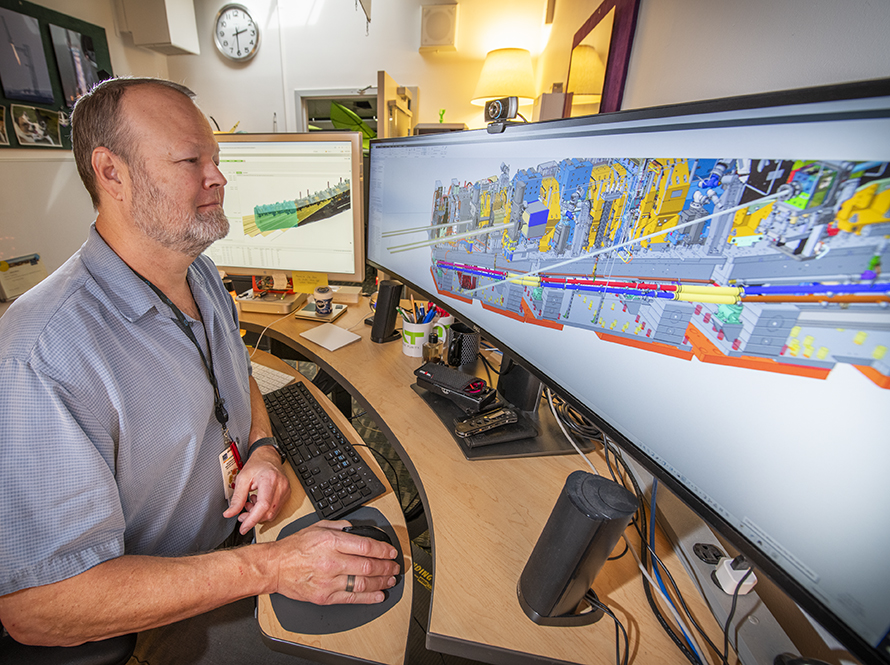
Experienced staff provide cross-functional support for large-scale scientific projects with software, systems, and specialized IT services. These tools provide an essential framework for managing projects of all sizes, including document and configuration management and industry-standard CMII change control.
Fabrication and Manufacturing Engineering
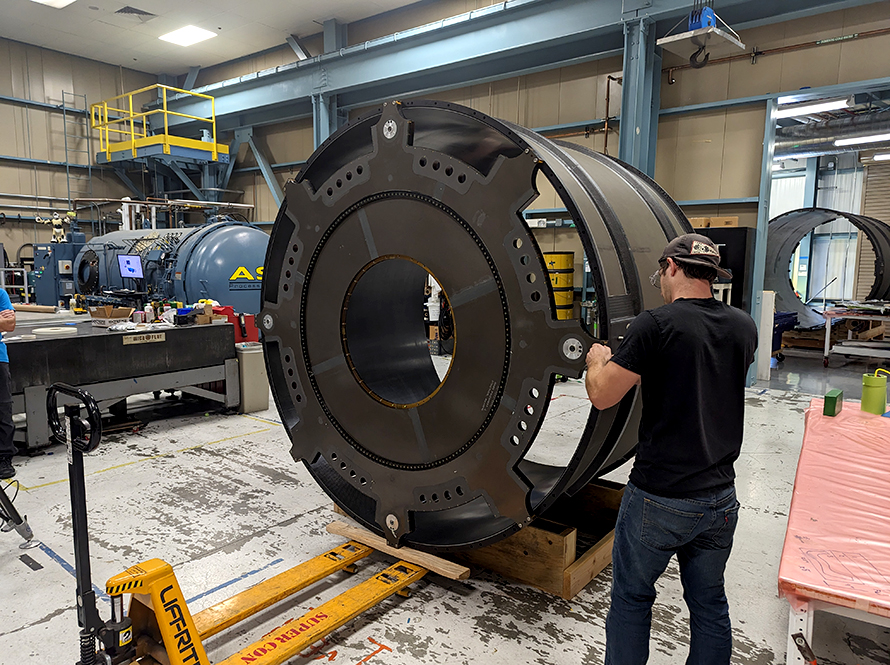
The fabrication and manufacturing shop facilities provide a broad range of comprehensive, technically advanced resources to the scientific divisions and user facilities of Berkeley Lab, with technical capabilities often not available from commercial vendors. In addition, the on-site shops allow for quick turnaround and collaborative process development for novel components.
AI and Machine Learning (AI/ML)
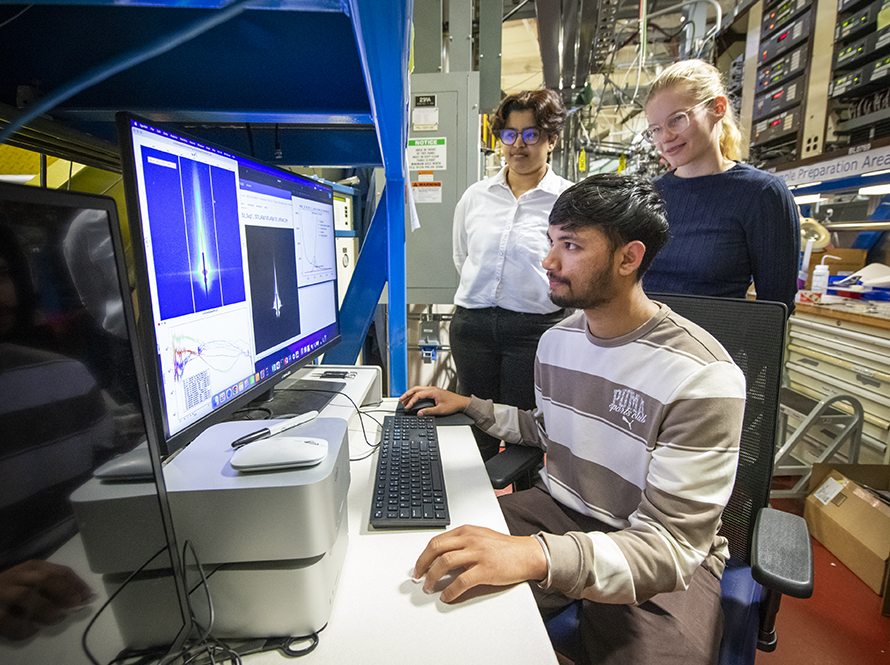
With wide-ranging technical and research applications, Berkeley Lab Engineering is focused on developing expertise and capabilities in AI and ML that include automating and optimizing systems, connecting and streamlining complex scientific tasks, unifying large-scale projects, and applying predictive modeling and statistical inference to reveal insights.
Project Execution
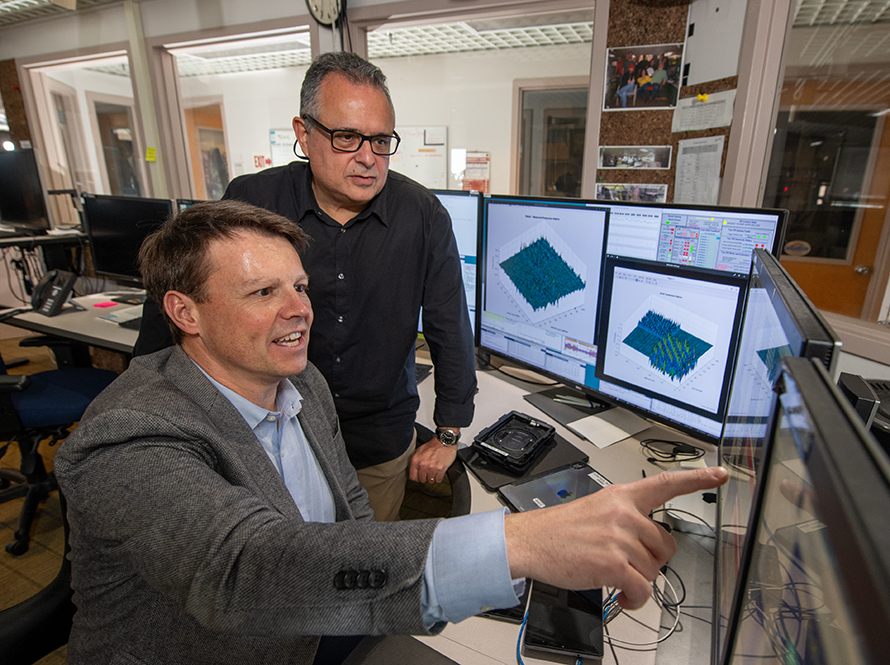
Berkeley Lab’s tradition and culture of team science fosters a close link between scientific experts and engineering professionals skilled in transitioning novel ideas into complex experimental instruments. Engineers support scientific projects during their early phases by developing conceptual designs and implementing effective project management systems.
