
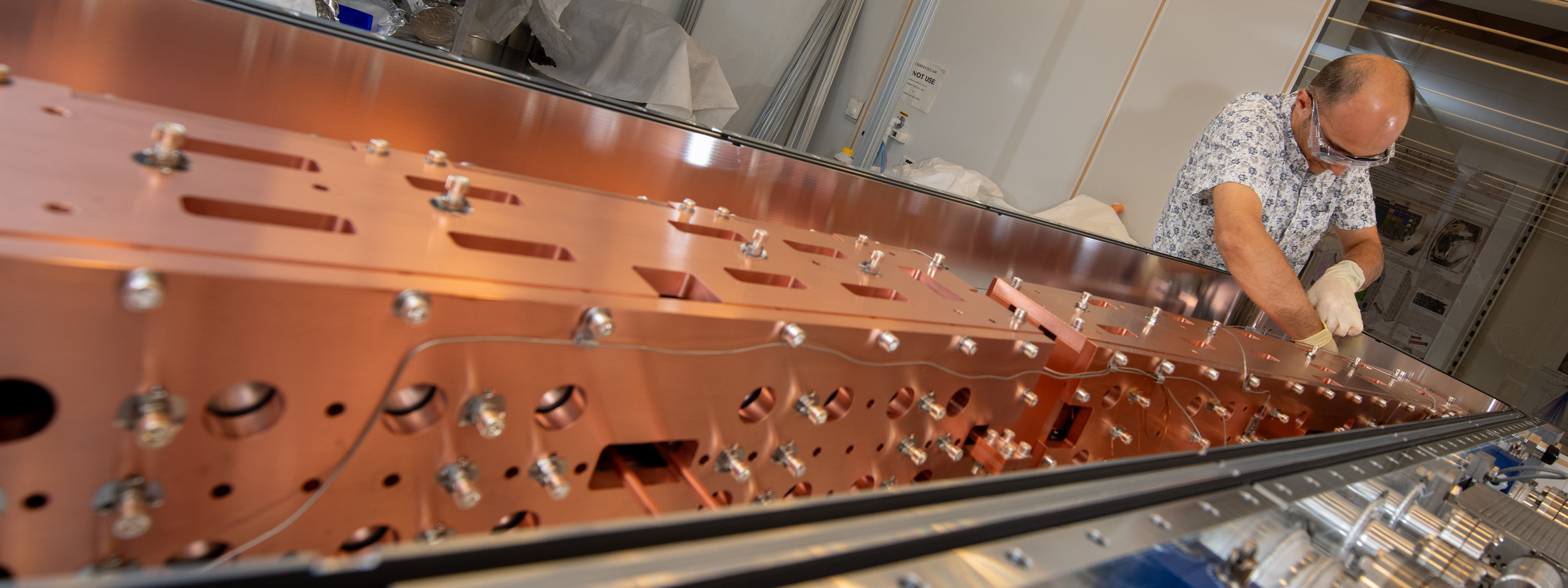
Accelerator Engineering involves the design, development, and operation of particle accelerators and associated experimental beamlines and user endstations. These projects require multidisciplinary teams with expertise in all areas of engineering, including mechanical, electrical, controls and electronics, and manufacturing engineering, as well as specialized fields like vacuum, radio frequency (RF), high power, controls, magnet, cryogenics, precision alignment, low-level radio frequency (LLRF) controls, and more.
Control Systems

Control systems provide essential infrastructure to operate particle accelerators, starting from the overall programming environment, which includes data organization and storage, to the framework to develop user interfaces, which includes alarm handlers, data archiving and retrieval as well as interfaces with physics applications. Control systems also provide interfaces with most subsystems in the machine, including power supplies, vacuum, and motion control. Industrial controllers such as PLCs play a key role in providing the robustness needed to achieve the required reliability.
Cryogenically Cooled Mirror Research and Development
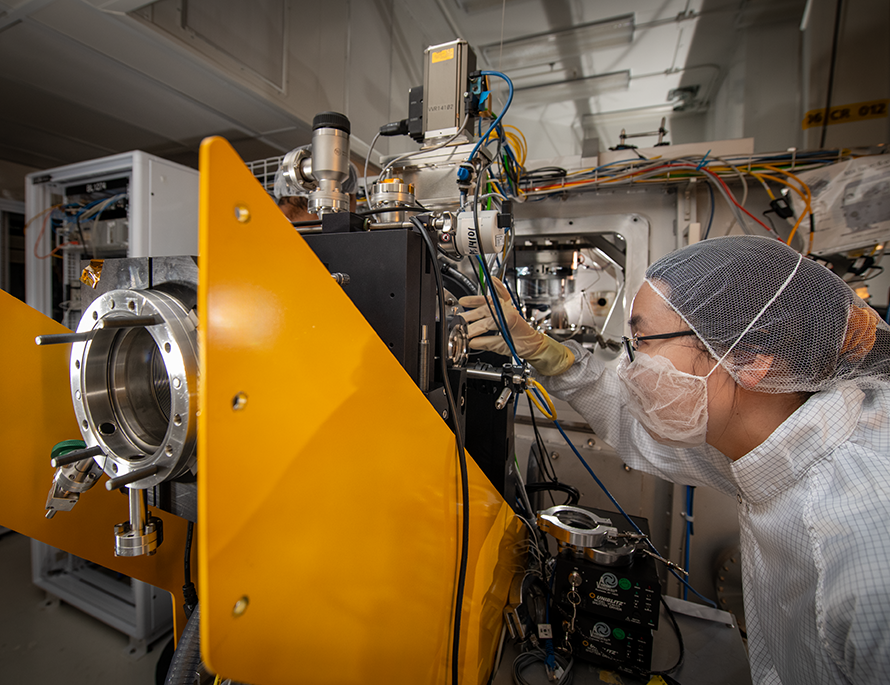
The capacity to maintain the shape and coherence of a light beam is essential to realizing the capabilities of new and upgraded diffraction-limited storage ring (DLSR) and free electron laser (FEL) light sources. Cryogenically-cooled silicon mirrors provide a solution to this challenge, the promise of sub-nanometer shape stability, despite high beam power and densities and dynamically varying beam power profiles. To achieve this, research and development of new technology is needed in the areas of optical metrology, optomechanical design, cryogenic material properties, heat transfer and fluid dynamics. LBNL is currently involved in two cryogenically-cooled silicon mirror projects: a liquid-nitrogen cooled soft X-ray mirror system has been designed and developed as part of the ALS-U project, and the ALS is currently collaborating with the other DOE light sources on the development of a liquid-argon cooled hard X-ray mirror system.
Diagnostics and Instrumentation
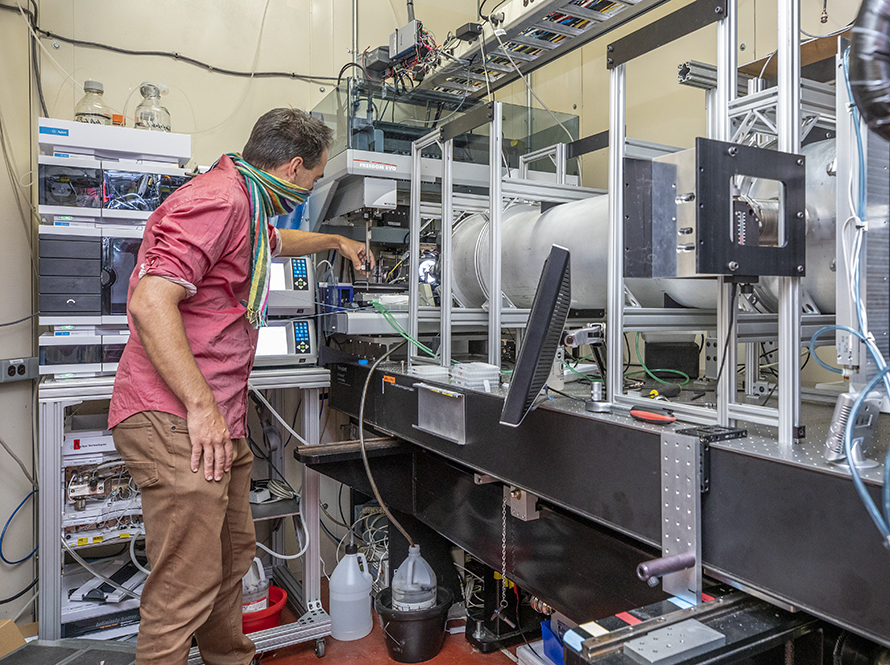
The performance of modern particle accelerators depends closely on the ability to control the beam. This requires accurate measures of all beam properties, from position to profile, charge and current. The information is used to ensure performance of the accelerator through dedicated feedback and beam control systems to prevent instabilities and to maintain the desired orbit and transport. High-performance systems collect and process the data based upon physics models supported by machine learning and simulations. Such systems also include timing, which generates references for all devices in the machine and the interlocks to protect the accelerator components from accidental damage.
Low-level radio frequency (LLRF)
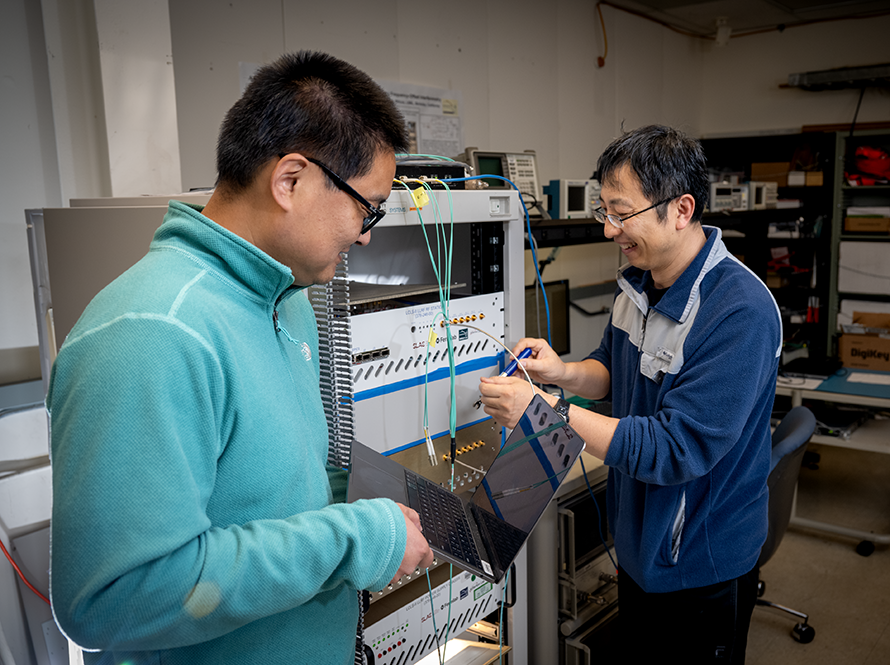
As future particle accelerators and colliders push the quality factor of Superconducting Radio Frequency (SRF) cavities to the limit, advanced control systems are needed that achieve high accuracy, high resolution, and fast response times, surpassing the current state-of-the-art RF stability. The Engineering Division leads a research and development program to deliver high-performance LLRF control systems to many projects, including the Lab’s ALS and ALS-U LLRF systems, SLAC’s Linac Coherent Light Source (LCLS), and LCLS-II and LCLS-II-HE free-electron lasers (FEL). Combined with AI/ML tools, control algorithms are developed to enhance overall control stability, response time, and robustness to allow both continuous wave and pulsed operations. Engineering has created full-stack, open-source instrumentation designs for collaborators to share, which allows for on-chip field-programmable gate array machine learning for various real-time, closed-loop controls, including coherent laser combining, high-power laser pointing, and SRF cavity resonance stabilization.
RF Systems
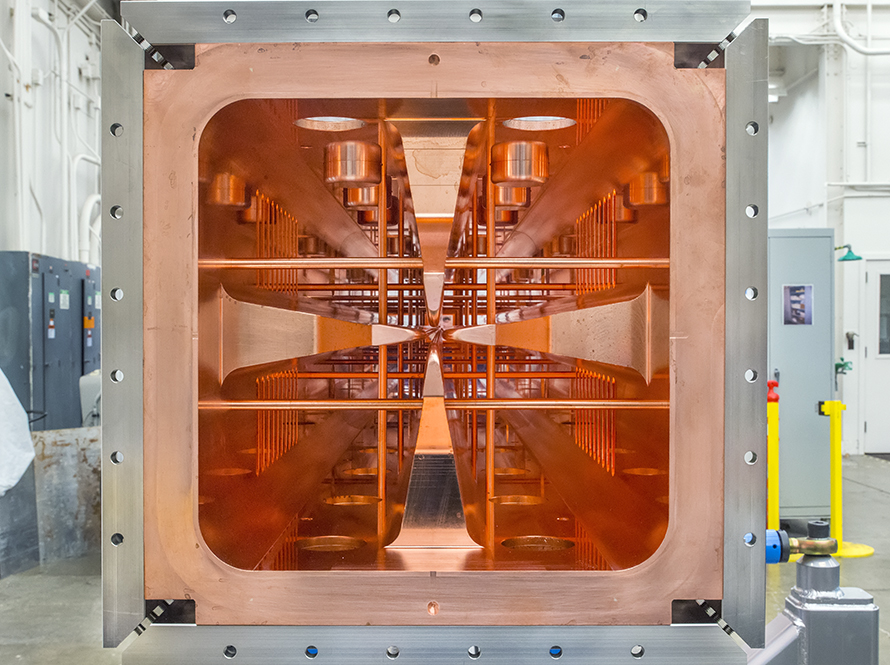
RF systems are the essential element of particle accelerators that deliver power and energy to the beam. They also keep the particles properly bunched together. Energy is transferred to the particles through strong fields in RF cavities that are powered by high-power amplifiers, either based on gridded tubes or on solid-state components. Our engineers and physicists have extensive experience in the design of RF cavities and all their components, such as tuners and power couplers, as well as the associated power sources and distribution systems.
Superconducting, Resistive, and Permanent Magnet Systems Design
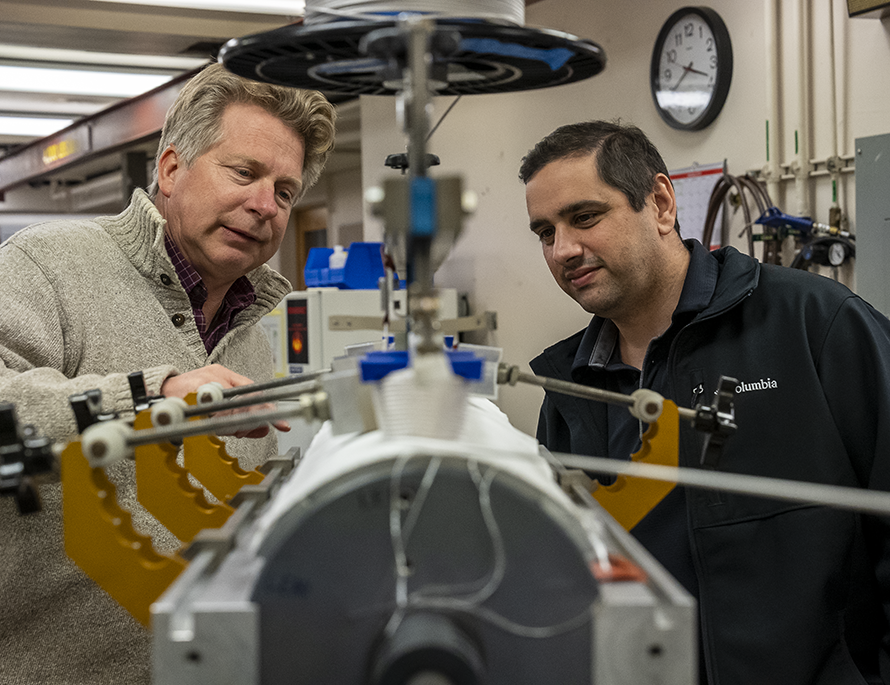
Berkeley Lab is one of the world’s leading labs in design, analysis, fabrication, and testing of all types of accelerator magnets, resistive, and permanent magnet systems. Through the Berkeley Center for Magnet Technology (BCMT), the Accelerator Technology and Applied Physics (ATAP) and Engineering Divisions work collaboratively to advance magnet science and technology. Engineers are embedded into ATAP’s Superconducting Magnet Program, CERN’s High Luminosity Upgrade for the Large Hadron Collider (HL-LHC), the Advanced Light Source (ALS) and the ALS Upgrade, SLAC’s Linac Coherent Light Source upgrade (LCLS-II) free-electron laser (FEL) as well cutting-edge research efforts, most notably the Magnet Development Program sponsored by the Department of Energy Office for High Energy Physics (DOE-OHEP).
Ultra-high Vacuum Technology
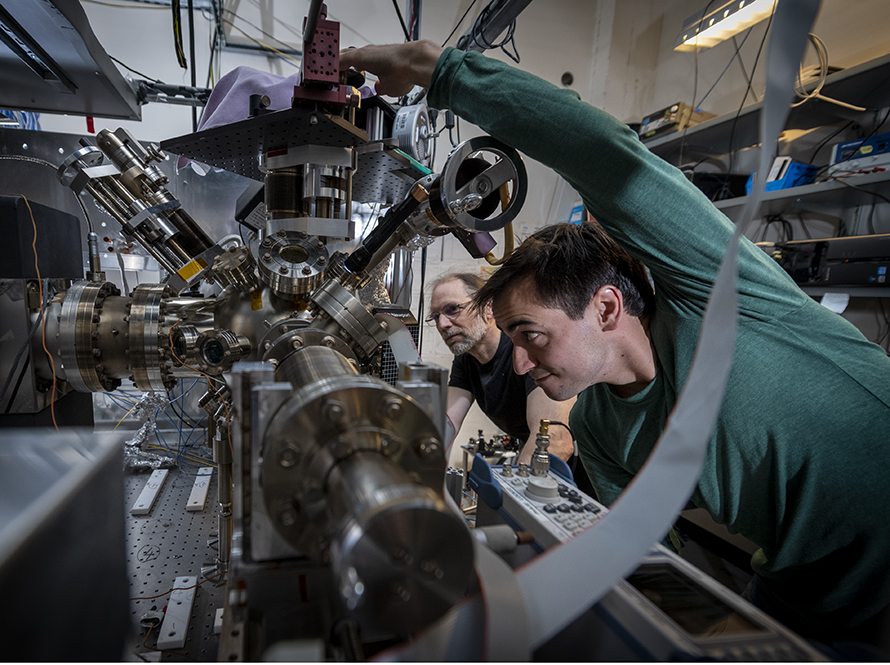
Engineering designs, builds, and operates ultra-high vacuum (UHV) systems for particle accelerators and experimental set ups. Expertise includes materials selection, surface preparation, cleaning, and joining techniques to minimize outgassing and ensure reliability. This work encompasses the design and integration of UHV systems in high-radiation, high-heat-load environments typical of accelerator facilities. The team provides support for installation, commissioning, operation, troubleshooting, and system upgrades. Additionally, the Lab has in-house manufacturing capabilities to produce components on site.
X-ray Optics and Beamline Design
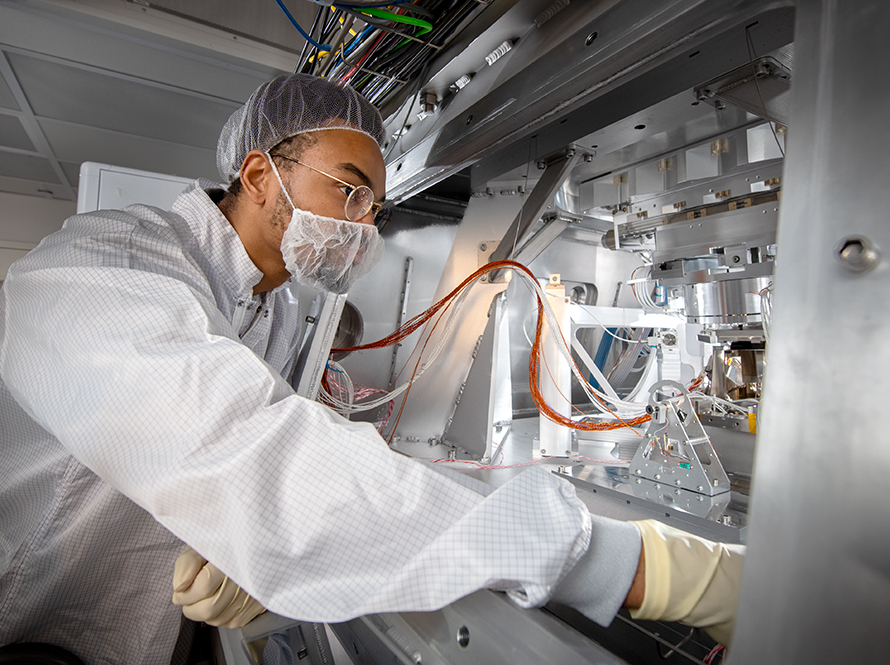
X-ray optics and beamline design are central to the development of the high-precision systems that transport, shape, and condition the photon beams generated by synchrotron and free-electron laser (FEL) sources. The Engineering Division’s expertise spans the design, simulation, fabrication, and integration of optical components such as mirrors, gratings, monochromators, and slits, along with precision alignment and motion mechanisms that ensure beam stability, focus, and fidelity. Working closely with accelerator physicists, detector engineers, and scientific staff, our team delivers end-to-end engineering solutions that enable reliable, high-performance beamline operations and support the next generation of X-ray science.
