
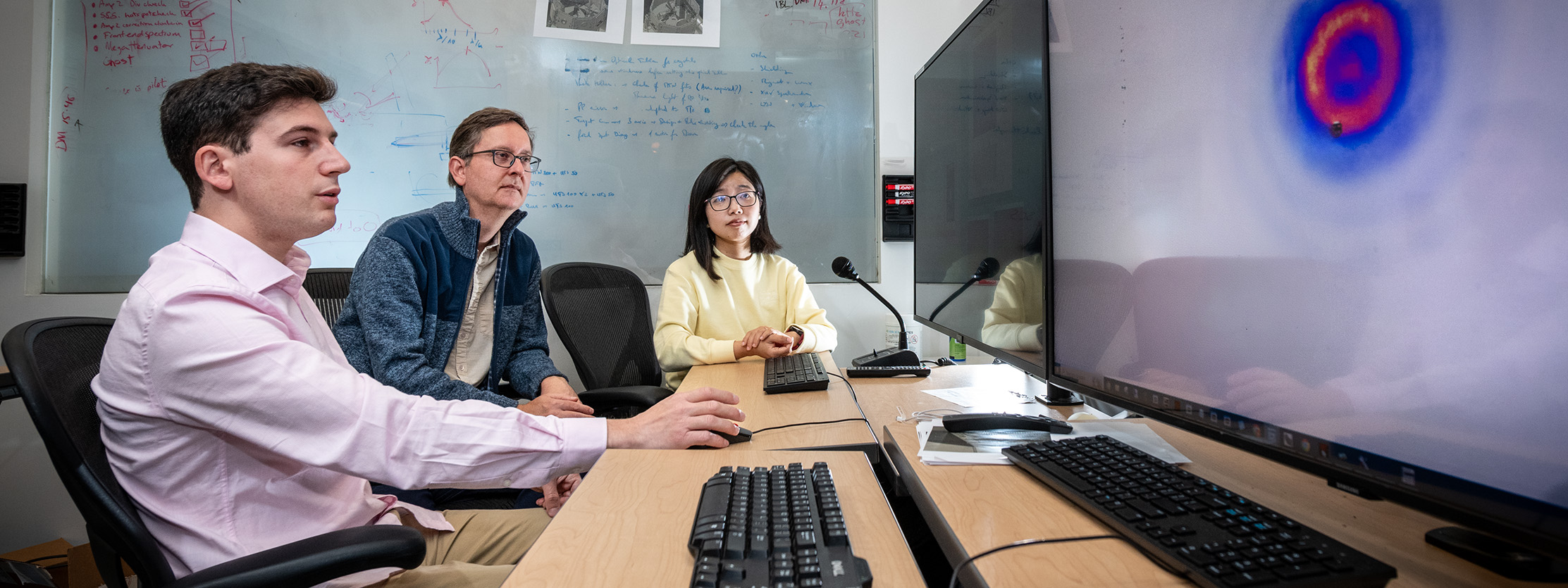
Artificial Intelligence (AI) and Machine Learning (ML) have wide-ranging applications to engineering and scientific research. These technologies have the potential to significantly accelerate progress in certain areas, driving innovation and discovery. Berkeley Lab Engineering is focused on developing expertise and capabilities in AI and ML that include automating and optimizing systems, connecting and streamlining complex scientific tasks, unifying large-scale projects, and applying predictive modeling and statistical inference to reveal insights.
Applying Integrated Research Infrastructure (IRI)
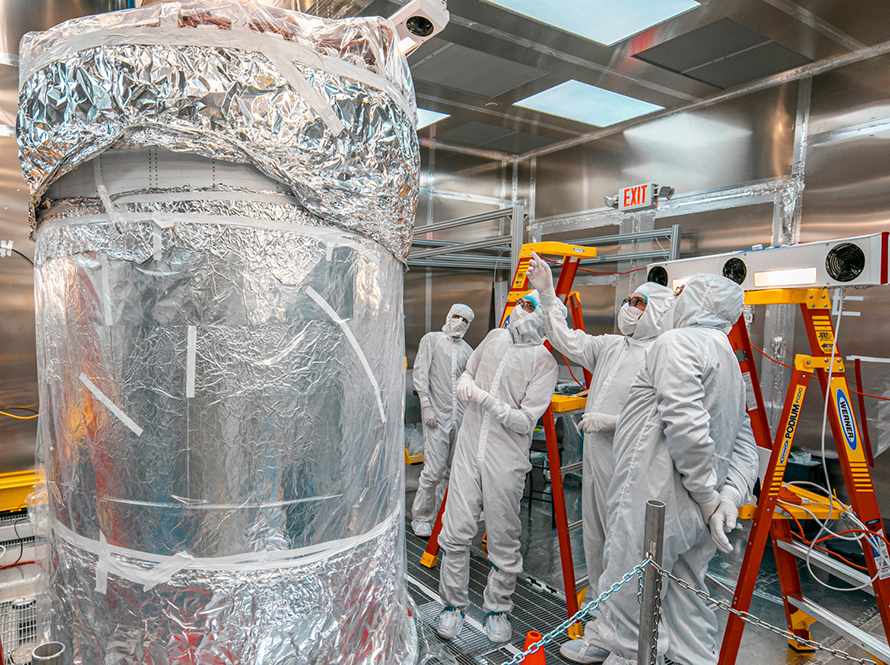
IRI enables AI to tackle complex, distributed scientific tasks by connecting to high-performance computing and large-scale data storage systems. This infrastructure boosts efficiency and accelerates scientific workflows.
Data Acquisition
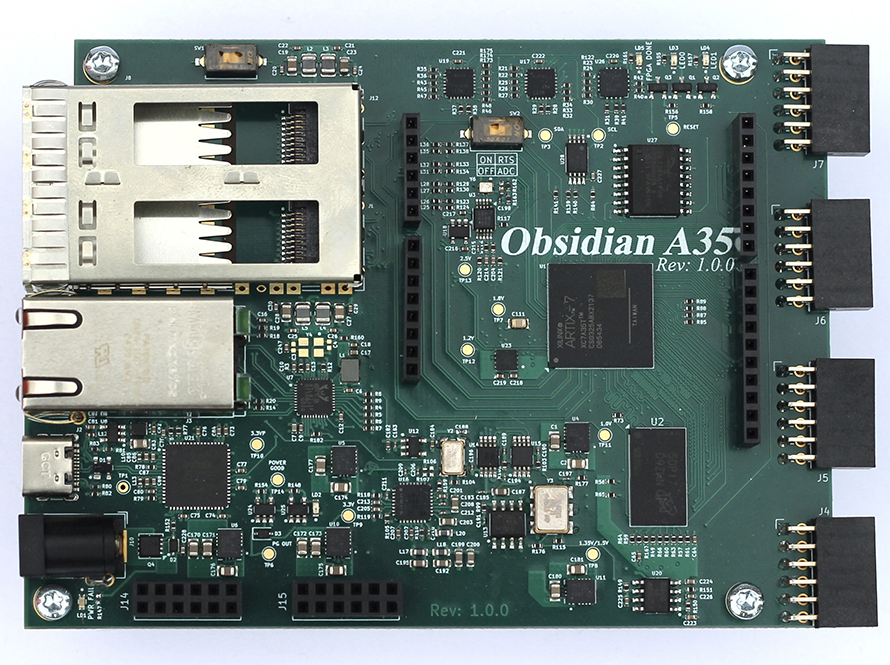
AI and ML models embedded in detector readout systems (FPGAs or ASICs) can significantly reduce system data rates, perform anomaly detection, and enhance flexibility. Moving some of the processing closer to the detector can improve reliability and optimize data flow, enabling new capabilities for particle detector readout.
Data Analysis and Inference
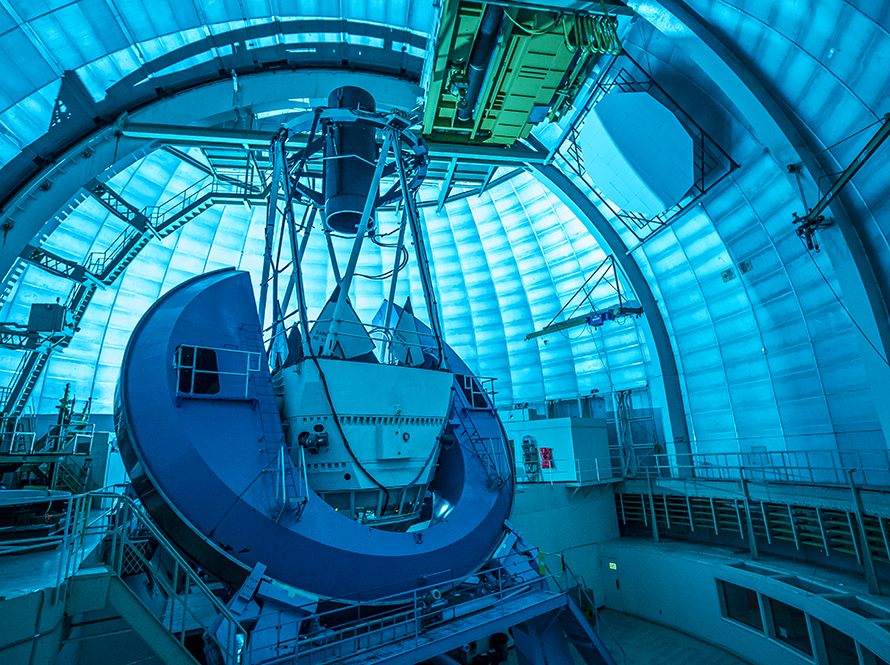
The Engineering Division leverages AI and ML for advanced data analysis, with a focus on assisted physics analysis, generative models, uncertainty quantification, and fundamental physics discovery.
Engineering Workflow and Automations
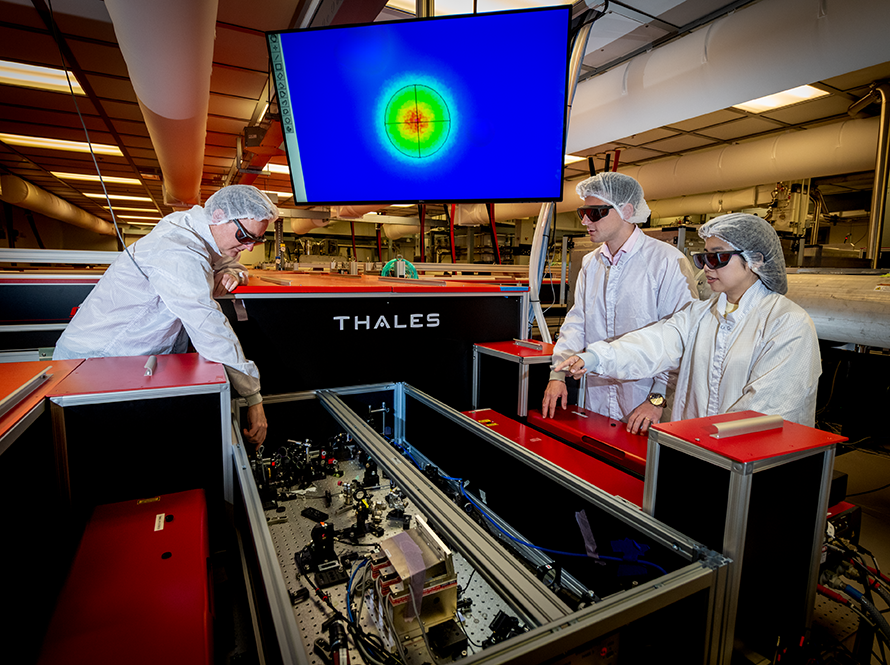
The Engineering Division is implementing a number of AI techniques across our operational toolsets and workflows, from released document summaries, auto-ingestion of PDF quotes into line items for procurement systems, training material generation, ticket and mail response, triage and group assignments, report generation, to experimental use of AI for rapid knowledge base searches.
Optimizing Physical Systems
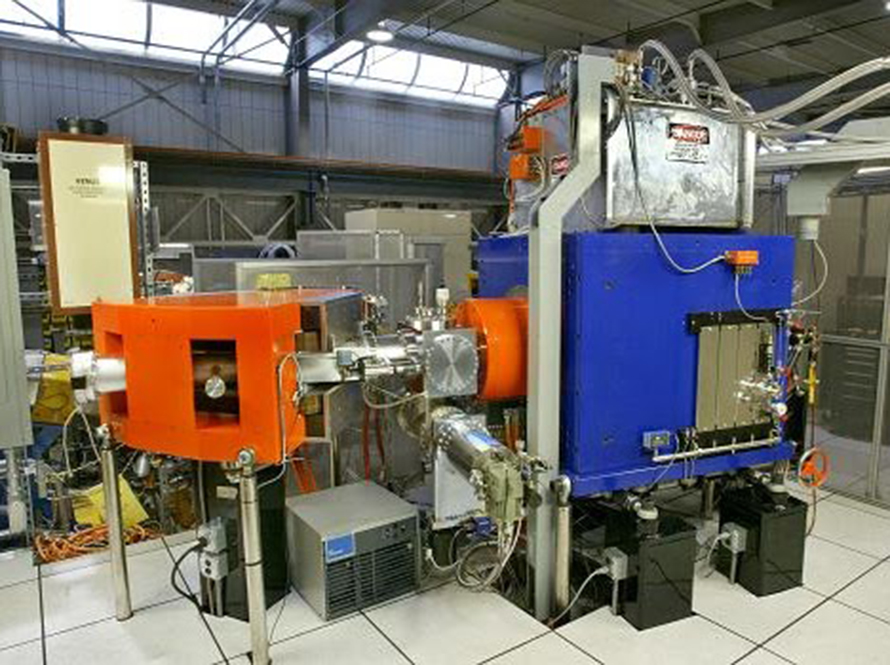
Real-time AI control and optimization enables greater precision and improved data quality in scientific experiments. The Engineering Division is focused on areas such as detector optimization, real-time control systems, autonomous systems, and hardware-specific implementations.
