
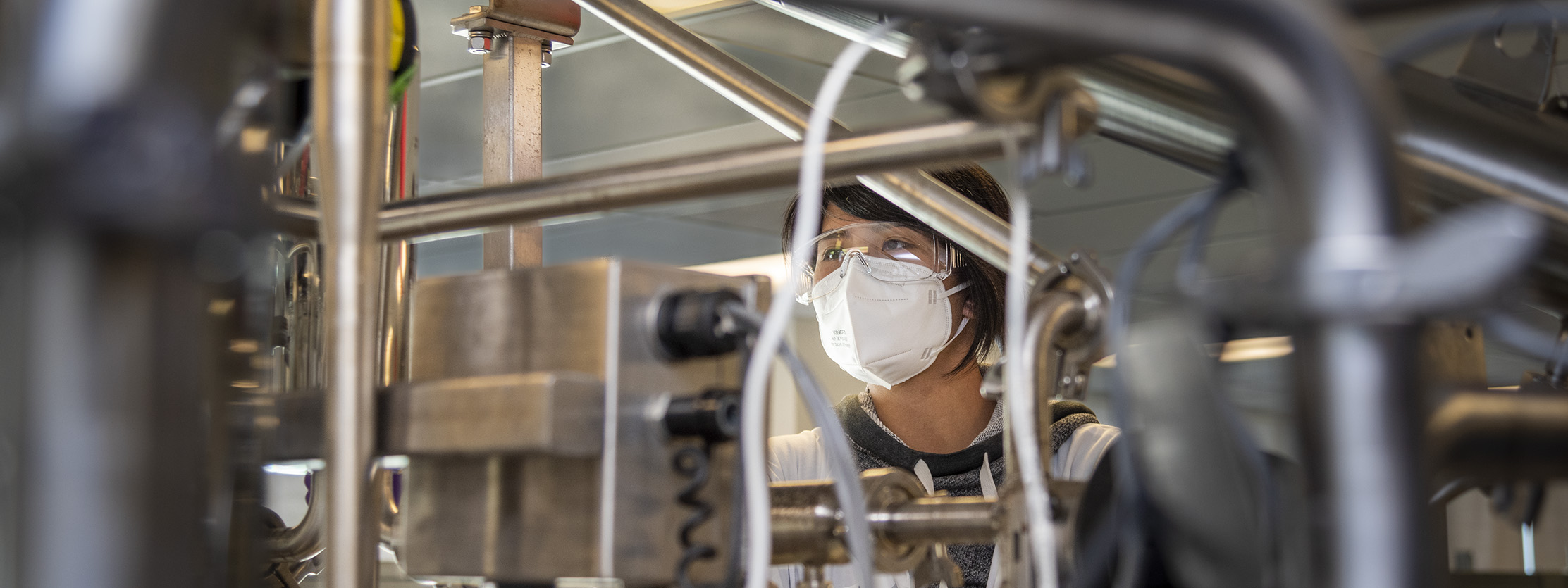
The Engineering Division supports the Lab’s scientific centers and programs through research and development, as well as providing hands-on technical and engineering expertise.
Berkeley Center for Magnet Technology (BCMT)
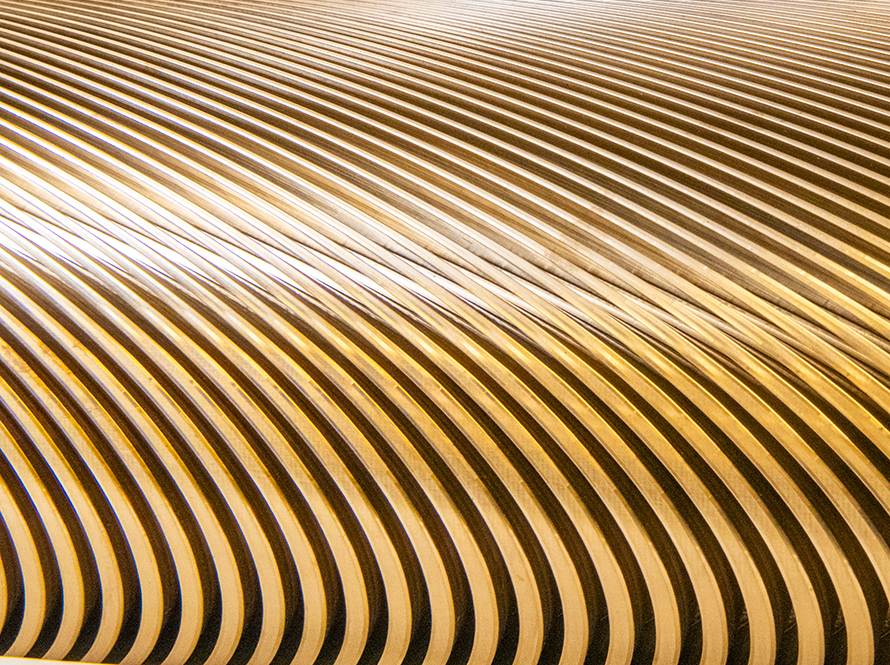
BCMT serves Berkeley Lab and the larger DOE community as a full-spectrum resource for basic research and development, and for the schedule- and cost-driven, project-oriented production of advanced magnet systems. The Center integrates accelerator physicists and magnet researchers, magnet design engineers, and fabrication teams to foster rapid progress in the development and reliable delivery of new magnet technology. BCMT is a joint collaboration between the Engineering Division and Berkeley Lab’s Accelerator Technology and Advanced Physics (ATAP) Division.
Center for X-ray Optics
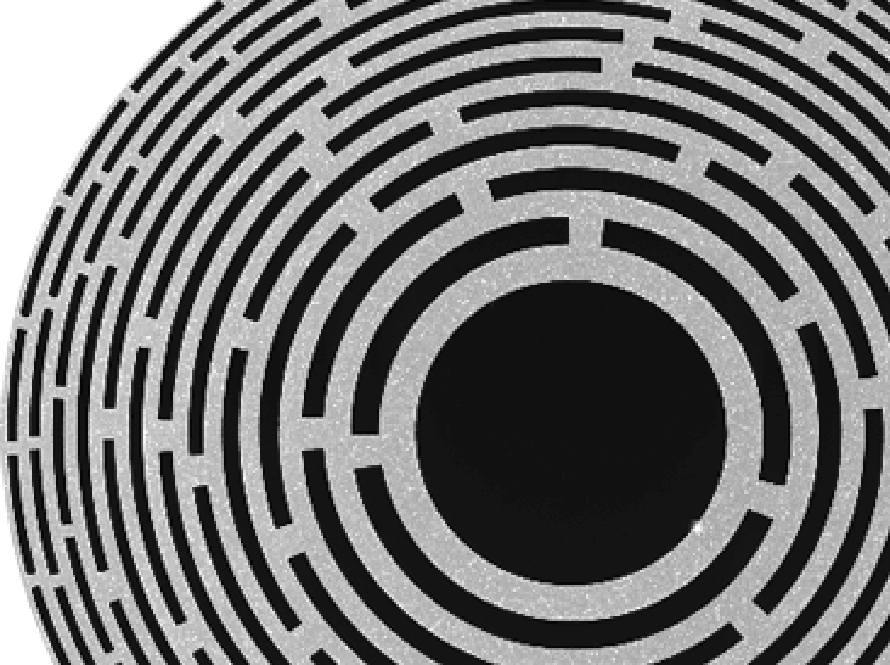
The Center for X-ray Optics (CXRO) is a multidisciplinary research program that focuses on developing advanced X-ray optics and instrumentation. It supports research in materials, life and environmental sciences, and semiconductor manufacturing. The Engineering Division provides design and fabrication of X-ray optics, metrology and testing, instrumentation development, and research and development of new technologies.
Berkeley Accelerator Controls and Instrumentation Program (BACI)
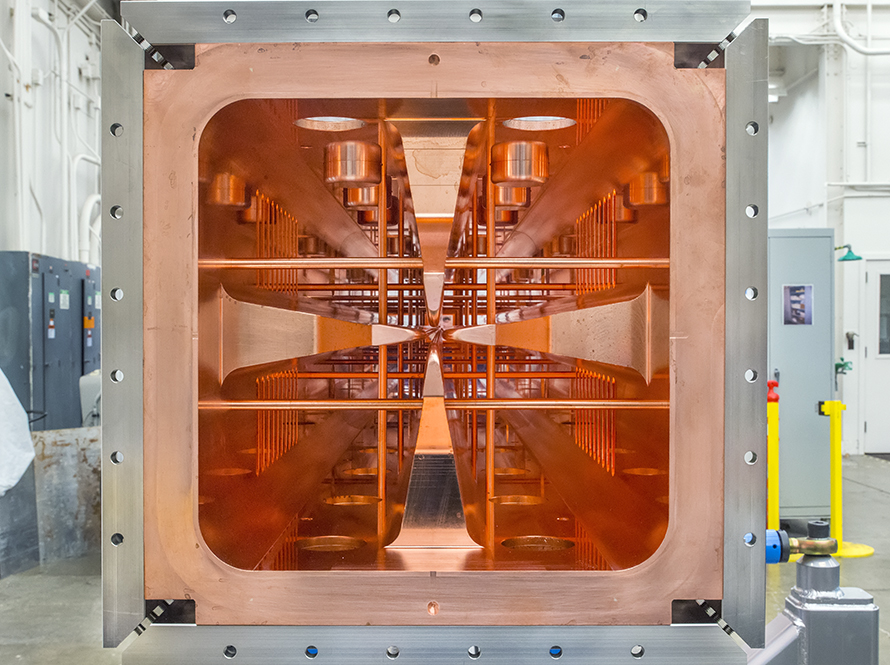
The Berkeley Accelerator Controls and Instrumentation Program is a collaboration between Berkeley Lab’s Engineering Division and Accelerator Technology and Advanced Physics (ATAP) Division. BACI focuses on design, development, and implementation of control systems for particle accelerators, data acquisition systems for experimental physics research, and technical support for these systems. The goal of the program is to provide cutting-edge technologies and expertise that support experimental physics research and to push the boundaries of accelerator and instrumentation capabilities.
U.S. Magnet Development Program
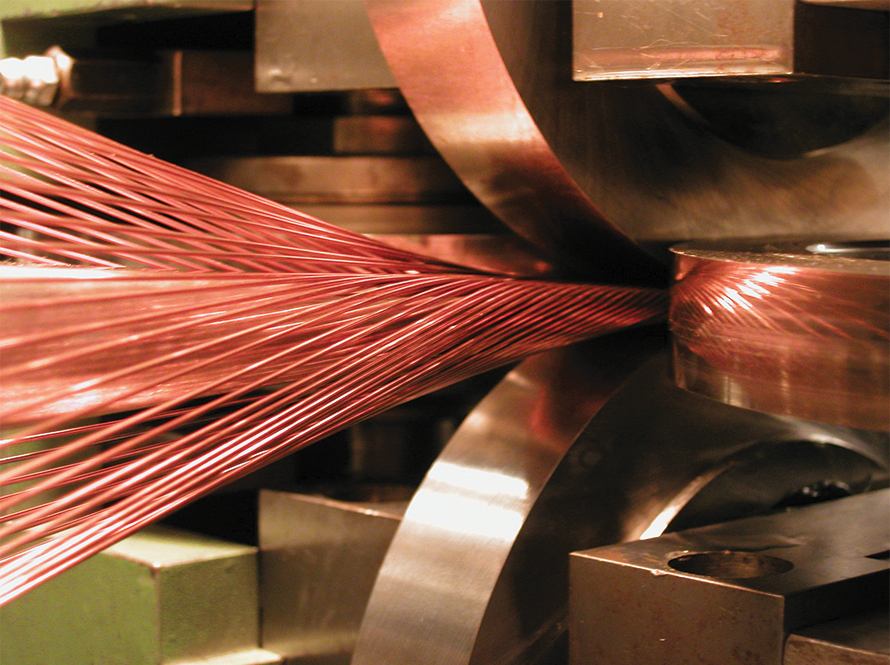
The U.S. Magnet Development Program (USMDP) develops superconducting accelerator magnets, their materials, and cables. The aim is to enable next-generation colliders and physics experiments by pushing the boundaries of magnet science and technology toward their ultimate limits. The Engineering Division provides modeling and simulation, materials research and development, testing and collaboration, among other things, in support of this program.
