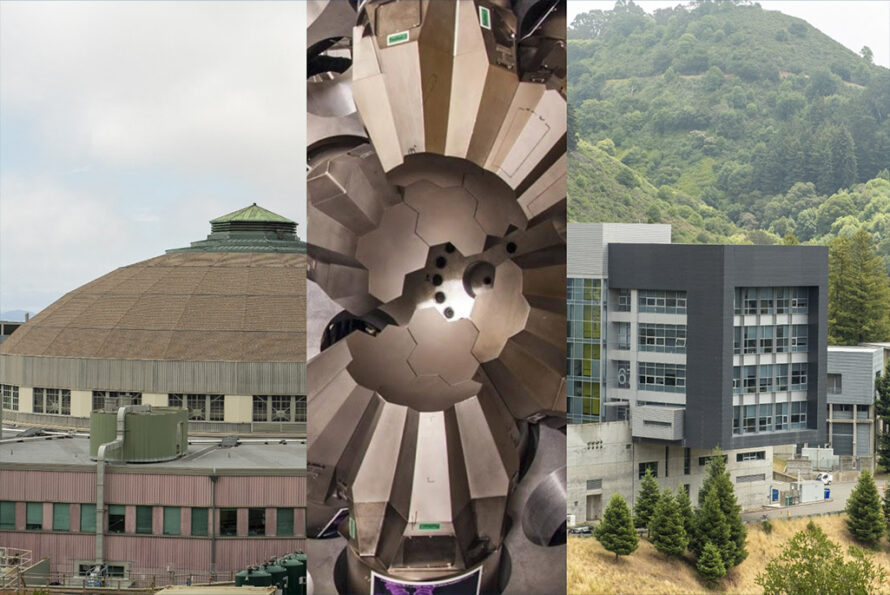
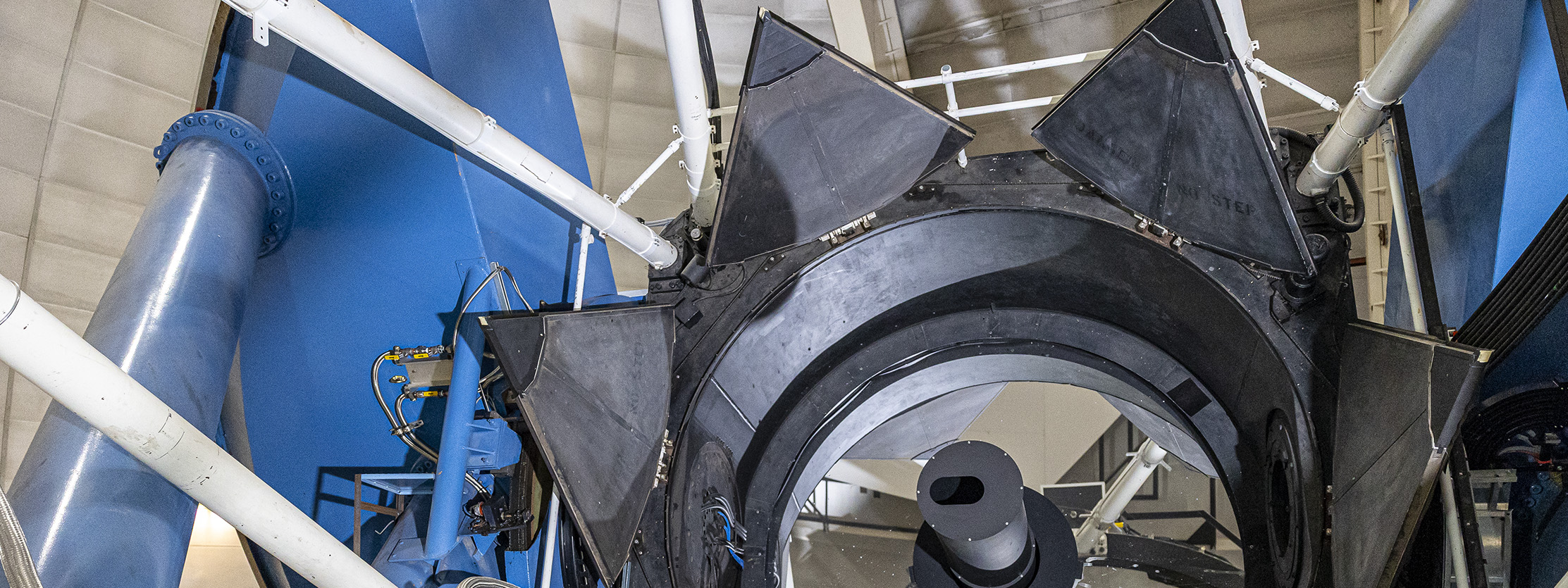
The Planning and Project Controls Engineering Department supports complex science and infrastructure work at Berkeley Lab. The department helps to integrate cost, schedule, and scope management, equipping project teams with the foresight, tools, and data needed to make informed decisions, remain aligned with DOE requirements, and achieve successful mission outcomes. Our work supports the Laboratory’s mission by enabling more predictable, transparent, and successful delivery of the projects that advance scientific discovery.
Earned Value Management System (EVMS) Implementation and Support
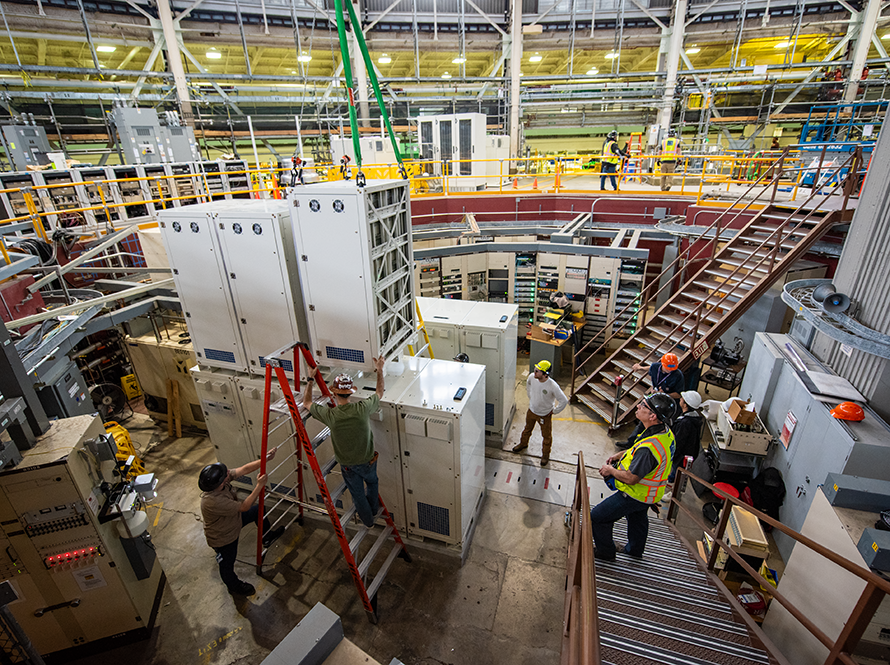
The laboratory’s EVMS offers a comprehensive framework for managing schedules, budgets, and technical performance. This system integrates the core elements of project management, enabling effective planning, organization, and control of complex projects. It enables precise measurement, transparent reporting, and in‑depth analysis of progress—ensuring resources are strategically aligned to meet both technical and performance objectives. Project Controls Engineering staff are trained in developing, implementing, and maintaining a certified EVMS in accordance with DOE Order 413.3B and ANSI/EIA‑748‑C guidelines.
Planning and Project Controls
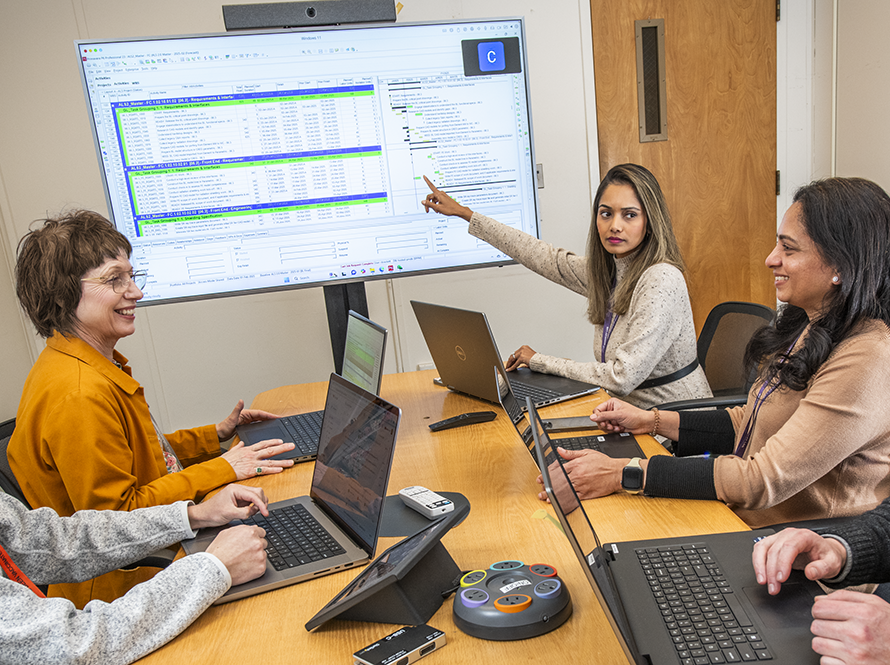
Effective project management relies on the integration of planning and project controls. Planning establishes the “plan” or “baseline,” outlining scope, schedules, budgets, and resource allocation. Project controls monitor performance against this plan, identifying variances and informing corrective actions to ensure the project meets its objectives. Together, planning and project controls provide a roadmap for managing projects, from large and complex undertakings to smaller ones using a tailored approach, helping teams meet requirements and deadlines.
Project Measurements and Reporting
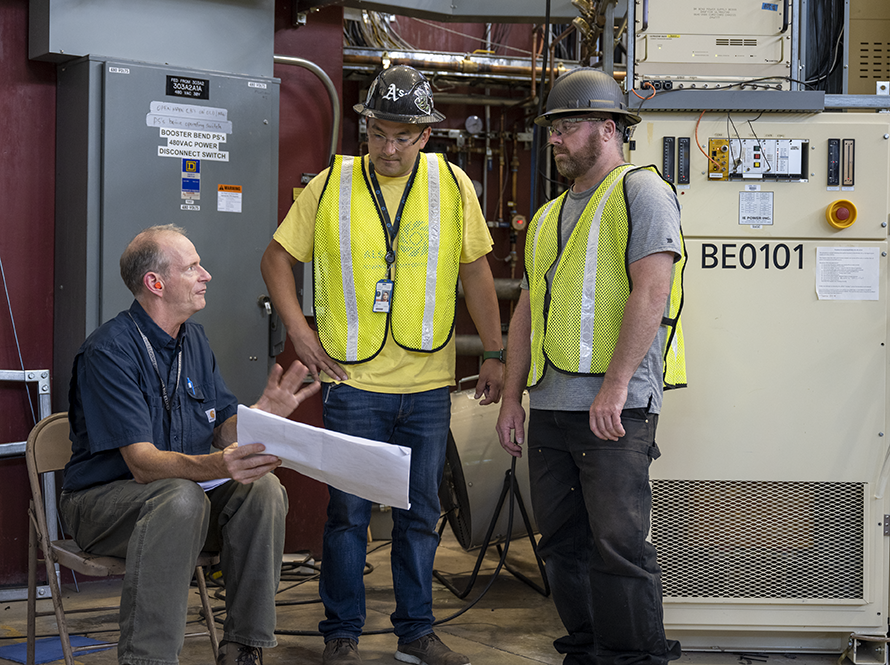
For projects at the Lab, understanding performance and progress in real-time helps ensure overall health as well as ensuring benchmarks, deadlines, and goals are met. This includes schedule and cost integration, which aligns timelines and budgets, allowing for a complete and up-to-date understanding of a project’s well-being. It also includes performance measurement and reporting, which provide transparency over projects as they progress along their timelines. These insights allow team members to track progress, trends, and risks, and make necessary adjustments to ensure the success of an undertaking.
Risk Management
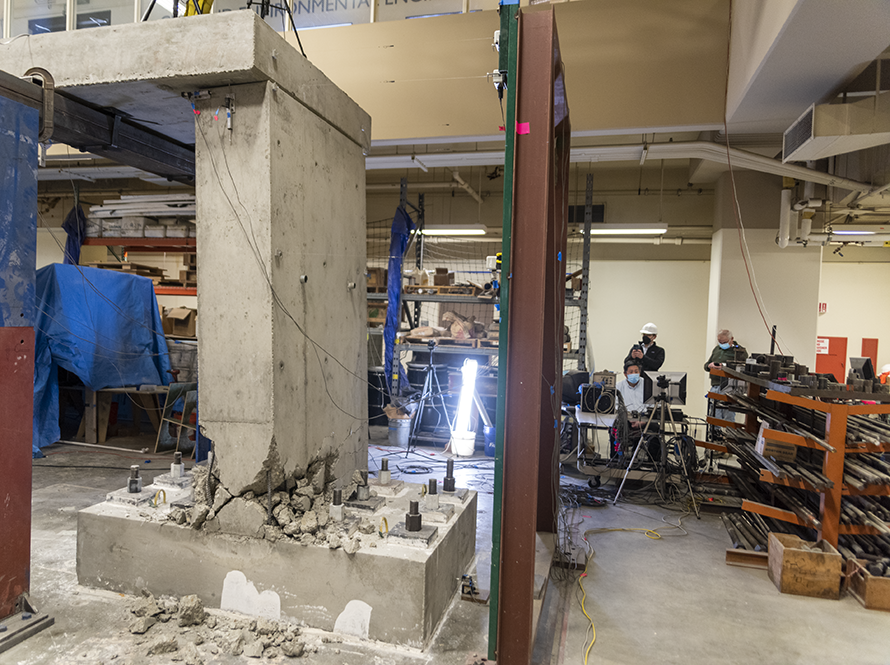
Proactive identification, evaluation, and mitigation of potential impacts to project scope, schedule, and cost, enable informed decision-making and confident navigation of uncertainties. Risk identification and mitigation planning are embedded in scientific endeavors and infrastructure across the Lab, helping teams assess uncertainties and manage potential threats to project scope, schedule, or cost.
Berkeley Lab’s Engineering Division is a unique collection of engineering, technical, and scientific talent. Our workforce brings together expertise across a range of disciplines to bring cutting-edge science to life.
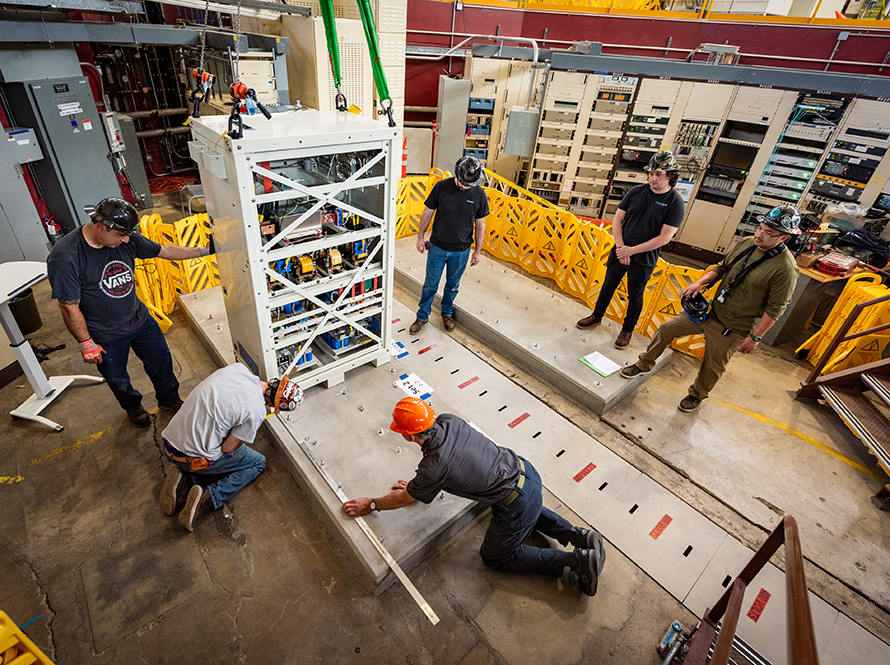
The Division collaborates with researchers to enable groundbreaking science, designing and building the detectors that enable cutting-edge physics experiments, and pushing accelerator and beamline engineering frontiers. Capabilities include accelerator engineering, detector systems and custom electronics, fabrication and manufacturing, and project execution.
Celebrating the life and work of Denis Peterson

Earned Value: How Berkeley Lab Manages Projects for Success